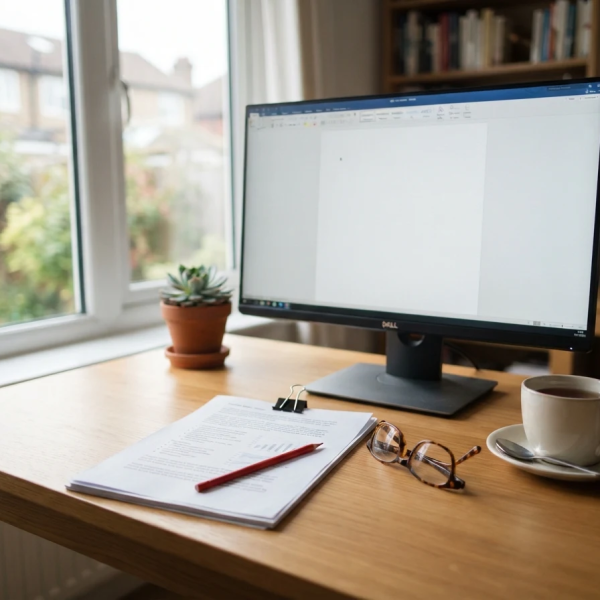
A translated report can look perfect on the first read and still hide small mistakes that cost money or trust. A comma in the wrong place changes a clause in a contract, a switched digit alters a price, and a word that sounds natural in one language may suggest something else in another. Companies that publish brochures, websites, offers and annual reports in several languages often discover these errors only after customers point them out. The remedy is not a faster translation but a second, independent look by a trained linguist who compares the text with the source and reads it as a native speaker would. Proofreading is the quality gate between a finished translation and the reader, and it is cheaper than correcting a mistake after publication. This article explains what proofreaders check, how to brief them and how to plan the step so that deadlines stay realistic.
Proofreading, editing and revision explained
The three words describe different levels of work. Proofreading corrects spelling, grammar, punctuation and formatting in a final text. Editing improves style, rhythm and clarity and may reshape sentences. Revision, in translation, compares source and target text line by line to catch omissions, additions and wrong terms. Teams that order proofreading services should tell the reviewer which level they expect, because a light check of a finished page needs less time than a full revision of a technical manual.
What a bilingual review catches
A reviewer who reads both languages finds problems that spellcheck tools never see: a missing sentence, a number copied wrongly, a brand name translated by mistake or a term that differs from the one in the glossary. They also check tone, because a friendly web text and a formal legal letter need different registers. Ask for tracked changes and short comments on every correction, so that your team can learn from the review and update the glossary for future projects.
Business documents, websites and certified papers
Different documents need different care. Marketing pages need a lively but accurate voice, financial reports need exact numbers and consistent terms, and certified papers need names and dates that match the originals. Our guide on certified translation for business in Cyprus shows how companies prepare official papers for registration and banking, and why a final check before signature prevents delays.
How to brief the proofreader
Give the reviewer the source file, the translation, any glossary or style guide and the purpose of the text. Explain the audience, the country and the channel, such as print, web or presentation. Share deadlines early and keep one contact person for questions. A clear brief takes ten minutes to write and can save hours of back and forth.
Common errors in translated texts
The same mistakes appear again and again: numbers with different decimal marks, dates written in two formats, inconsistent names of products and departments, and sentences that follow the grammar of the source language. A reviewer looks for these patterns first, because they are easy to fix once seen. Keeping a list of recurring errors gives the translation team a practical tool for improvement and shortens every later review.
Layout, tables and formatting checks
After translation, text often grows or shrinks by twenty percent, and tables, headings and captions may break. A final reading of the formatted file catches cut words, overlapping lines and missing page numbers. Check that fonts support all special characters, that links still work and that cross references point to the right pages. These small details decide whether a document looks professional.
Planning time and cost for the review
A proofreader can check roughly four to six thousand words in a working day, depending on difficulty. Plan this step into the schedule instead of treating it as a last minute extra, and give the reviewer a stable final text. Changing the source after the review forces a second check. Clear planning keeps costs low and protects the launch date of your campaign or report.
Building a feedback loop with translators
The best results come when proofreaders and translators talk to each other. Share corrections with the translator, explain why a change was made and update the glossary together. Over a few projects, the number of corrections falls, the team gains confidence and the review turns from a rescue into a light confirmation that the text is ready.
Choosing the right reviewer
Look for a proofreader who works into their native language, knows your industry and can show samples in a similar field. Ask how they handle terminology, which tools they use and how they record changes. A short paid test on a page of your own text tells you more than any promise, and it helps you decide whether the reviewer fits your tone, your standards and your schedule before a larger project begins.
Where to read more
For a neutral overview of the profession, its methods and its common marks, see the Wikipedia article on proofreading, which explains how it differs from copy editing and what it covers.